EXPLORE · INTELLECTUAL DISCOVERY

Follow what catches your attention.

Meet a person, examine a work or follow a historical question. These are encounters, not lessons you must complete.

For an ordered educational journey, choose a subject and course →

People and their worldsNewton, Dante, Mozart and lives in context.
IDEAS & PEOPLE

Someone had to discover it first.

Enter through the mind, not the museum plaque: what problem they were facing, and what changed once they solved it.

The result may take minutes to learn. The discovery may have taken a lifetime.

EXPLORE THE HOUSE 01 / A LIFE

Isaac
Newton

A mind larger
than its legend.

The laws of motion are only one entrance. Follow the letters, friendships, disputes and beliefs behind a world-changing account of nature.

Follow Newton

Cambridge · Correspondence · Nature · Belief

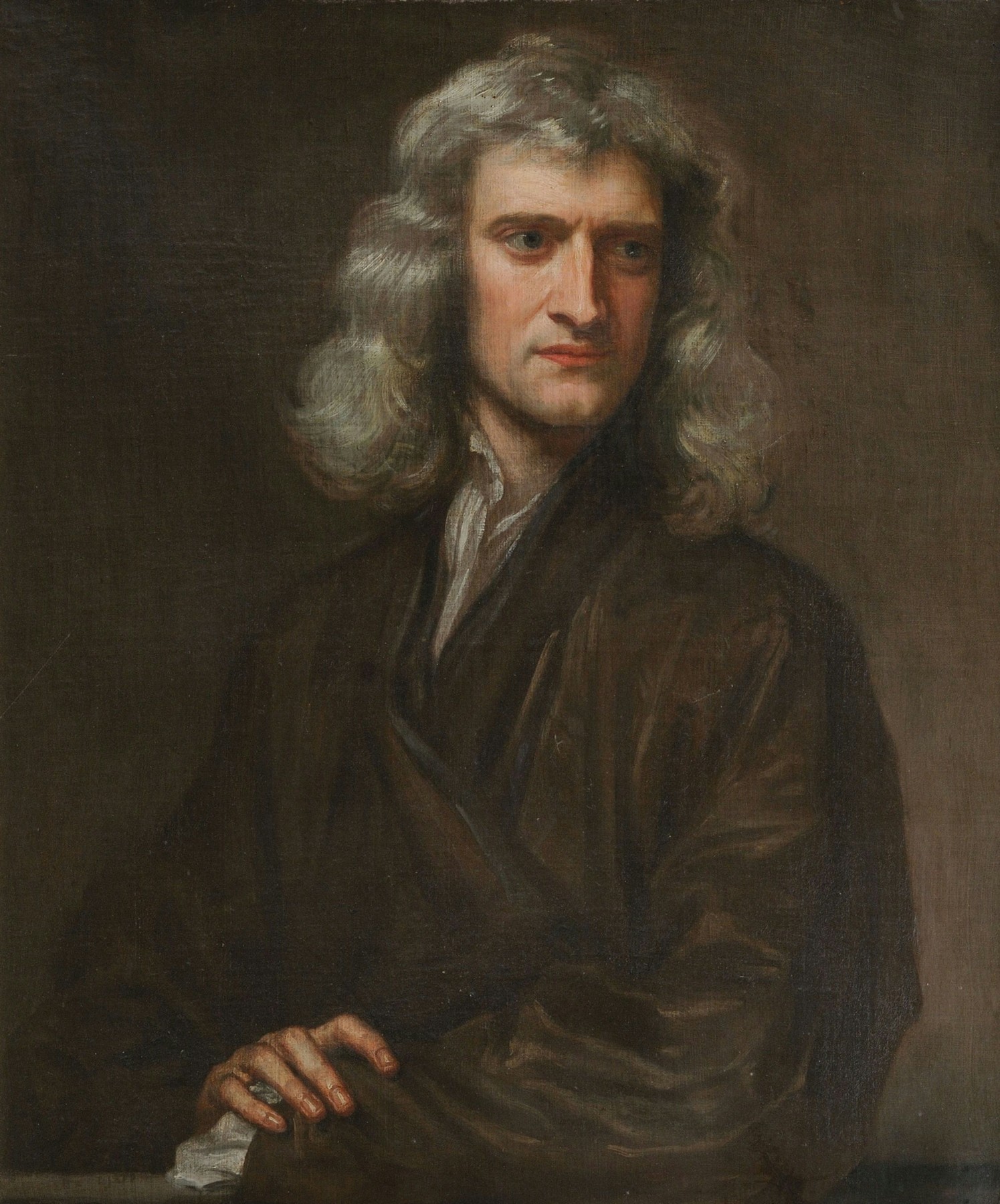
Isaac Newton in a dark robe, looking out from Godfrey Kneller’s 1689 portrait
Godfrey Kneller · Isaac Newton, 1689
Portrait source ↗

04 / LIVES THAT OPEN WORLDS

Begin with a person.

A poem. An unfinished score. Words addressed to a divided world.

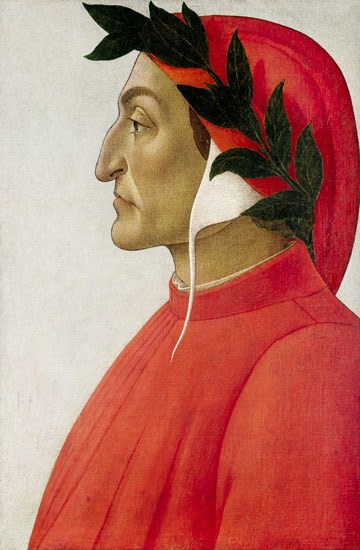
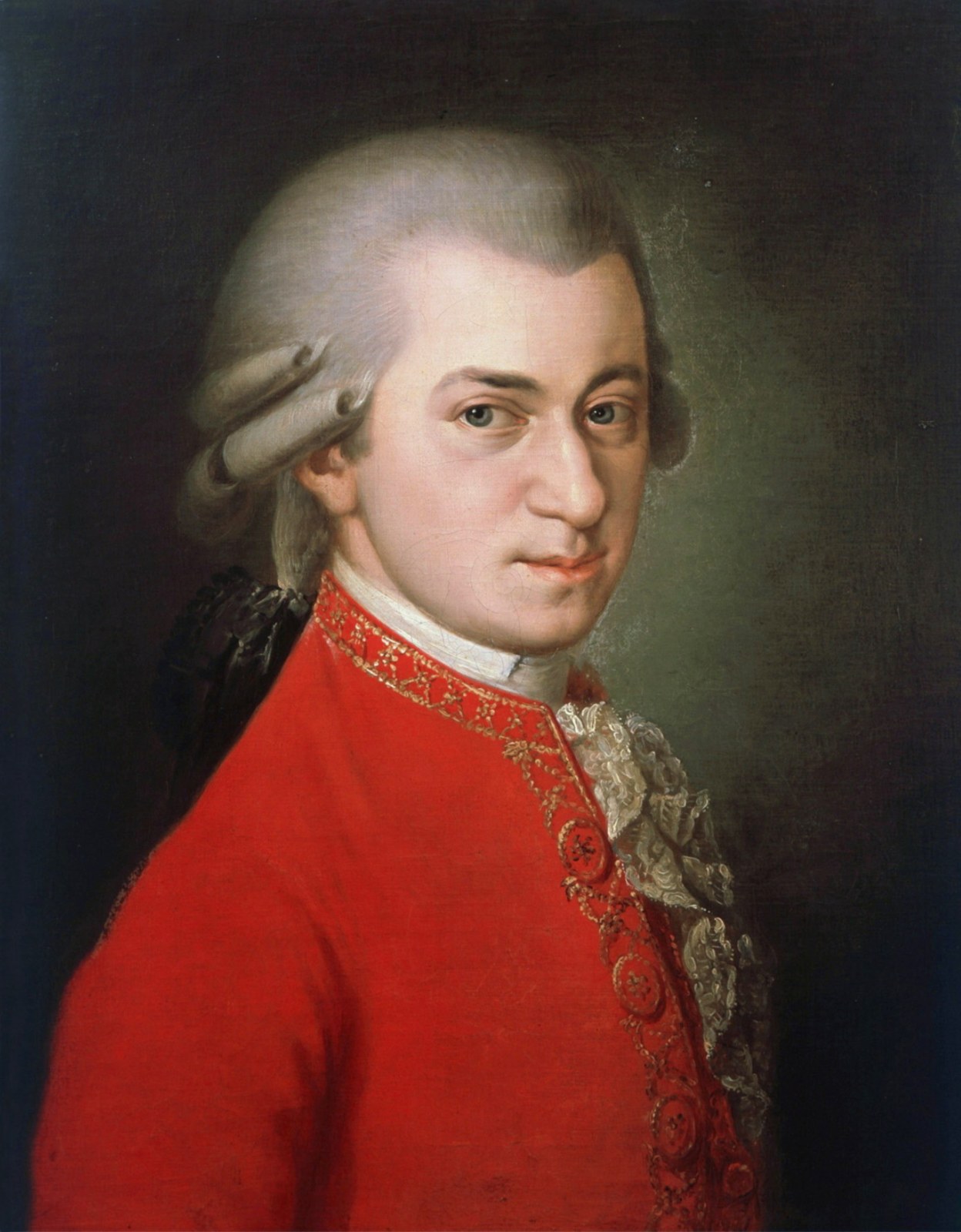
About these portraits

Historical portraits from the House collection. Dante source ↗ · Mozart source ↗ · White House Kennedy portrait ↗

Art and musicEncounter works before widening their context.

02 / LOOK CLOSER

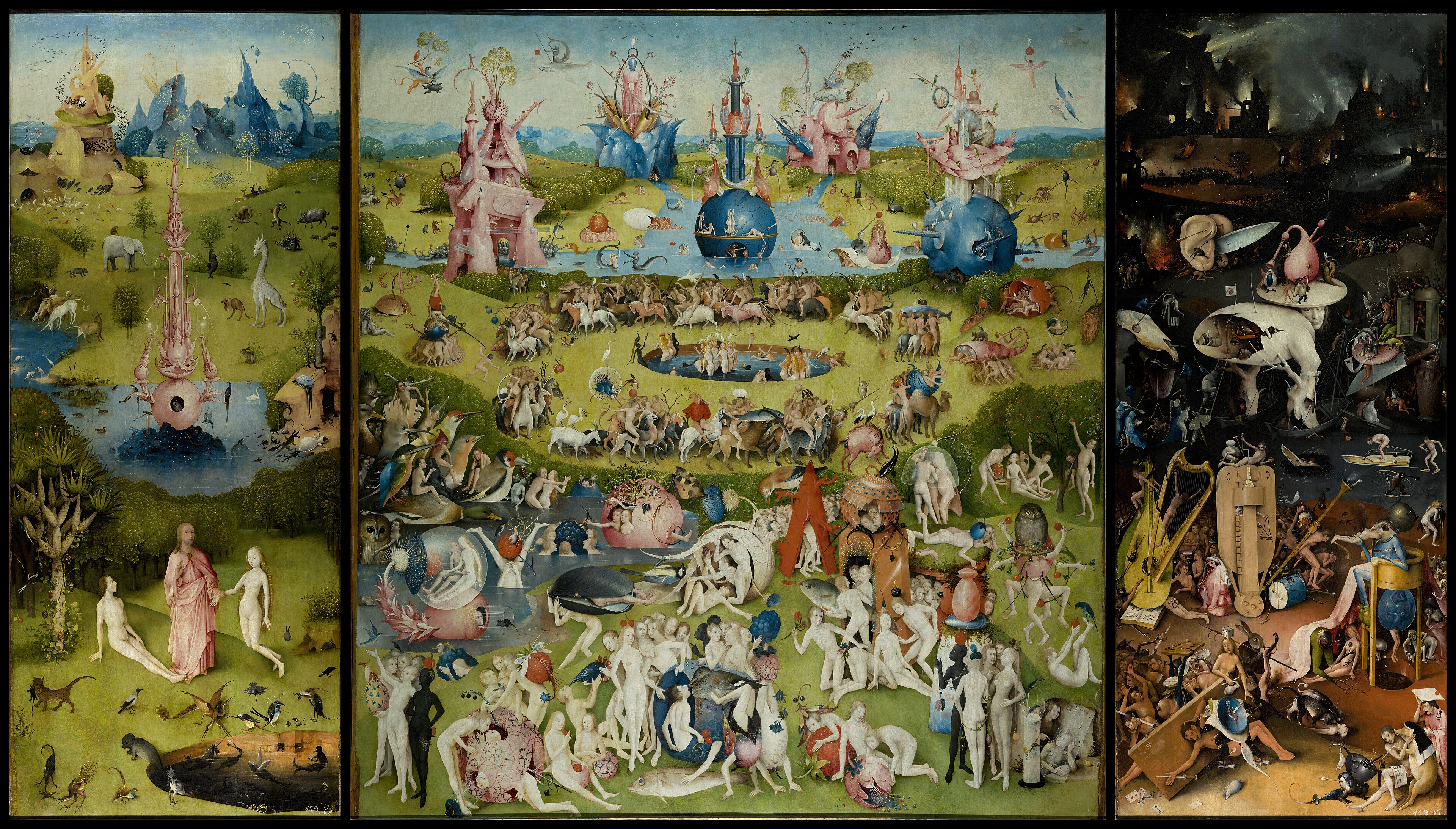
Enter Bosch’s Garden.

A world crowded with pleasures, creatures and consequences. Before interpreting it, take in the whole.

Bosch’s complete triptych: paradise on the left, a crowded garden in the centre, and darkness on the right
Hieronymus Bosch · The Garden of Earthly Delights · c. 1490–1500 · Museo del Prado. Collection & provenance ↗ · Enlarge the work ↗

What changes when you read the three panels together?

Look, then understand

03 / HEAR IT AGAIN

Schubert · Gretchen am Spinnrade

A wheel keeps turning.
A mind cannot rest.

Goethe gives Gretchen the words. Schubert gives her longing a motion you can hear. Listen for the moment the spinning stops.

Hear Gretchen’s world Listening, story, then listening again.
External recording; access depends on its host.
ART & MUSIC

Works belong to worlds.

A painting, a requiem or a building becomes more intelligible when technique, patronage, material, tradition and the maker's problem come back into view.

Reading and looking do not require completing a check. Mozart’s room offers recordings where available; external audio depends on its host.

History and public lifeChronology, scientific lives and public speech.
ENTER HUMAN CHRONOLOGY →HUMAN CHRONOLOGY

Go backward from the world you know.

The chronology begins with effects you live inside and follows their causes backward: modern systems, printing, Rome, first-century Judaea, writing, agriculture, fire, Homo sapiens, life, Earth and eventually the first stars.

The farther back we travel, the kind of evidence changes with us.

Original texts and guided readingDistinguish the source from a course about it.
RELIGION & THEOLOGY

Begin with what the tradition says. Deciding what you think can come later.

A sacred text belongs to a language, a history and a community of readers. None of that requires you to believe it before you can understand it.

Open sacred texts →
Ideas and institutionsFollow an argument and test its reach.

05 / A QUESTION THAT OPENS A WORLD

What stops power
from becoming
arbitrary?

Polybius looked at Rome and saw institutions holding one another in check. Follow the argument—and ask who was left outside it.

Follow the question
Instruments and saved thoughtsUse a tool or keep a thought beside its source.

KEEP YOUR PLACE

Leave a thought where you can find it again.

Your reading, notes and completed work can wait here until you return.

Open My Learning →
INSTRUMENTS

Put in the numbers. See what they change.

A useful answer is better when you can see what produced it.

Open instruments →
Structured studyChoose an authored course when you want an ordered route.

KEEP WANDERING

A question rarely stays in one room.

Return to something familiar, or follow the next connection somewhere unexpected.

Stay with what caught your attention.

Follow Newton into scientific explanation, a painting into Visual Art, or Schubert into Music. Each opens the same Learning Room.

Find a subject and its courses →